



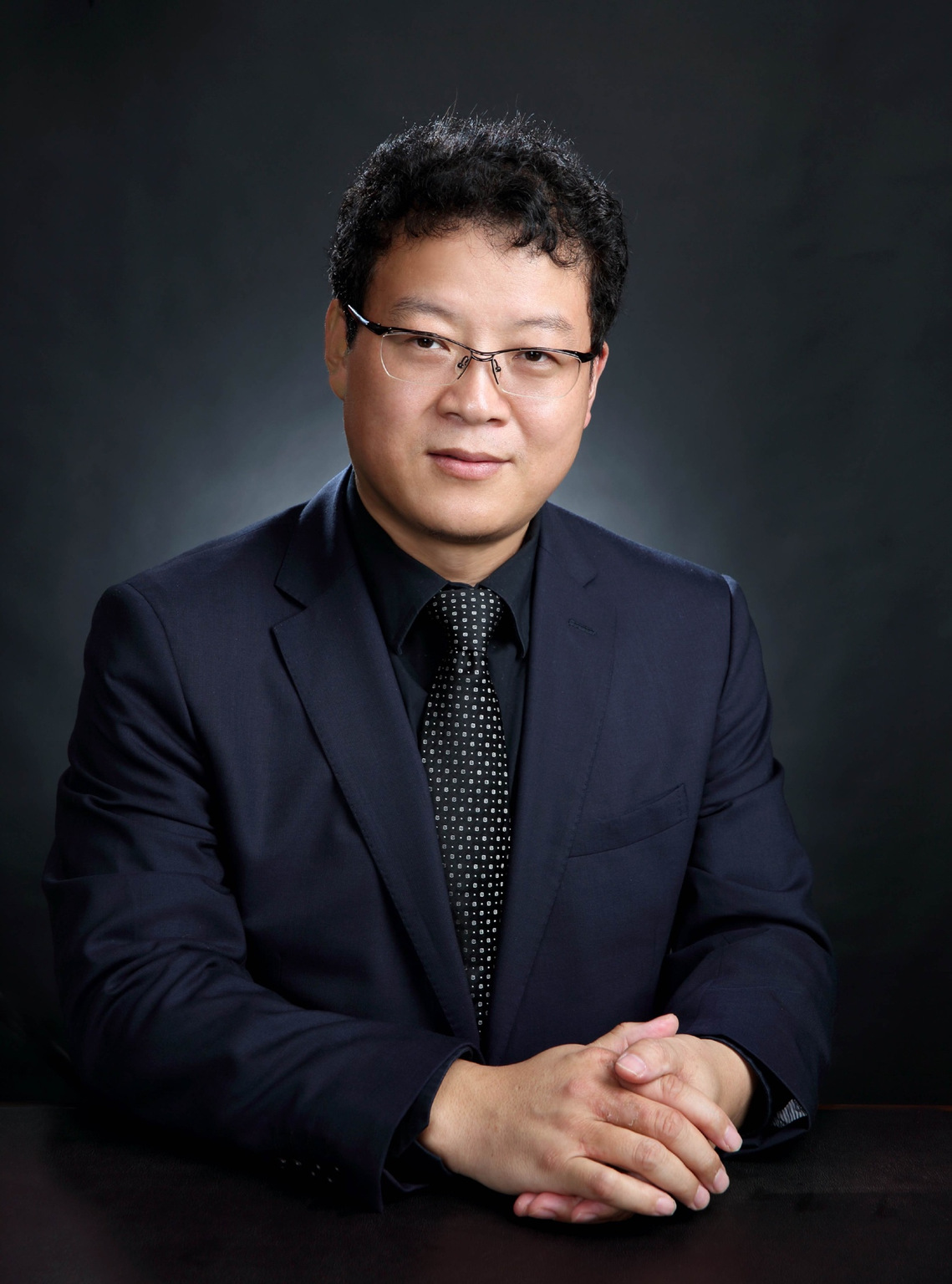
Wang Jiangyu
王江雨教授
Professor of Law, City University of Hong Kong School of Law
Speaker Bio
WANG Jiangyu is a professor and the Director of the Centre for Chinese and Comparative Law (CCCL) at the School of Law, City University of Hong Kong. He is the Editor-in-Chief of the Asia Pacific Law Review and Joint Editor-in-Chief of The Chinese Journal of Comparative Law. His areas of teaching and research encompass international economic law, international law and relations, and Chinese and comparative corporate law. He obtained his legal education from law schools in China (CPUL and PKU), the United States (University of Pennsylvania), and the United Kingdom (Oxford) , and has closely observed the law, politics, and foreign policies in these regions. His latest book is Histories of International Law in China: All Under Heaven?(Oxford University Press, 2026, co-edited with Ignacio de la Rasilla and Congyan Cai).
Lecture Title:
Reforming the “APEC Way” for a “Semi-hard” Decision-making mechanism
Abstract: The intensifying great-power rivalry and trans-Pacific economic fragmentation have exposed the structural limits of APEC’s traditional APEC Way. Operating as a loose, voluntary forum reliant on concerted unilateralism and strict unanimity, the institution increasingly suffers from strategic paralysis and lowest-common-denominator policy outputs. To preserve APEC’s regional relevance, this paper proposes a transition to a semi-hard decision-making model that bridges the historic Asian-Western institutional divide. The proposed framework relies on four core pillars: first, ratifying an APEC Charter to grant the forum a clear international legal personality and resolve its chronic administrative weaknesses; second, institutionalizing flexible consensus to prevent a tiny minority of member economies from misusing the unit-veto to obstruct collective progress; third, expanding the pathfinder approach into a tool of open reciprocal regionalism, where a 21 minus X formula limits the benefits of pilot initiatives to signatories to eliminate the chronic free-rider deficit; and fourth, professionalizing the APEC Secretariat into an OECD-style strategic think tank with permanent, non-seconded experts. Ultimately, this semi-hard model will reposition APEC as an active, effective incubator for the Free Trade Area of the Asia-Pacific (FTAAP).